Be yourself; Everyone else is already taken.
— Oscar Wilde.
This is the first post on my new blog. I’m just getting this new blog going, so stay tuned for more. Subscribe below to get notified when I post new updates.
Be yourself; Everyone else is already taken.
— Oscar Wilde.
This is the first post on my new blog. I’m just getting this new blog going, so stay tuned for more. Subscribe below to get notified when I post new updates.
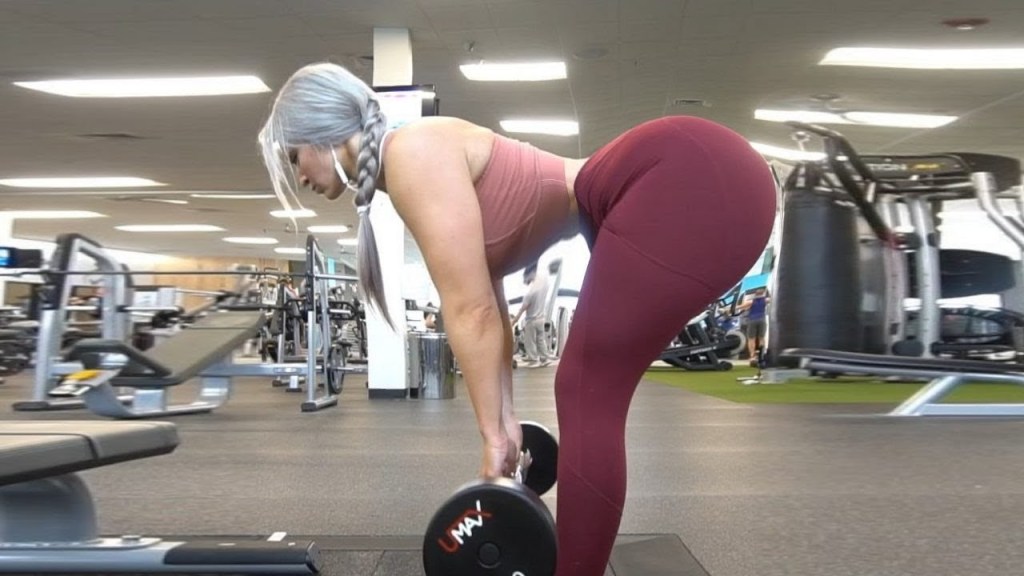
A flat butt can be caused by a number of lifestyle factors, including sedentary jobs or activities that require you to sit for extended periods. As you age, your butt may flatten and lose shape due to lower amounts of fat in the buttocks.
You may wish to both get in shape and add shape to your derriere, not only to improve your appearance, but also to enhance your overall well-being. In fact, strong gluteal muscles can help you develop better posture, increase mobility, and avoid injury.
You may even enhance your athletic performance.
Dormant butt syndrome is a condition that occurs when your gluteal muscles are too weak and your hip flexors are too tight. This means they aren’t working as efficiently as they should.
Often this happens from sitting for too long, sleeping in the fetal position, and repetitive activities. Lack of exercise can also contribute to dormant butt syndrome. This puts excess pressure and strain on other parts of your body. It can cause pain in your back, hips, and knees, especially when you exercise. This condition may lead to hamstring and knee injuries.
What are the glute muscles?
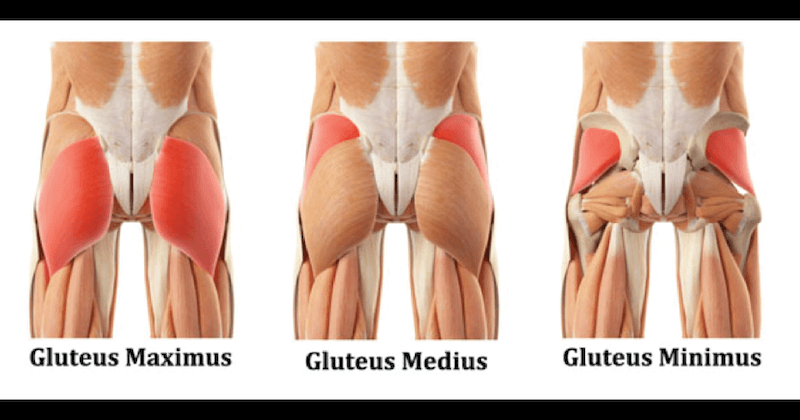
Without diving too deep into anatomy and kinesiology, your glutes are divided into three distinct muscles:
There are lots of exercises that you can do to get a more rounded, perky butt. Be consistent with your workouts in order to see results. Feel free to modify these exercise and do any variations that suit your individual needs.
Start slowly and gradually build up the intensity and duration of your workouts in order to avoid injury. Here 3 main exercises to get started.
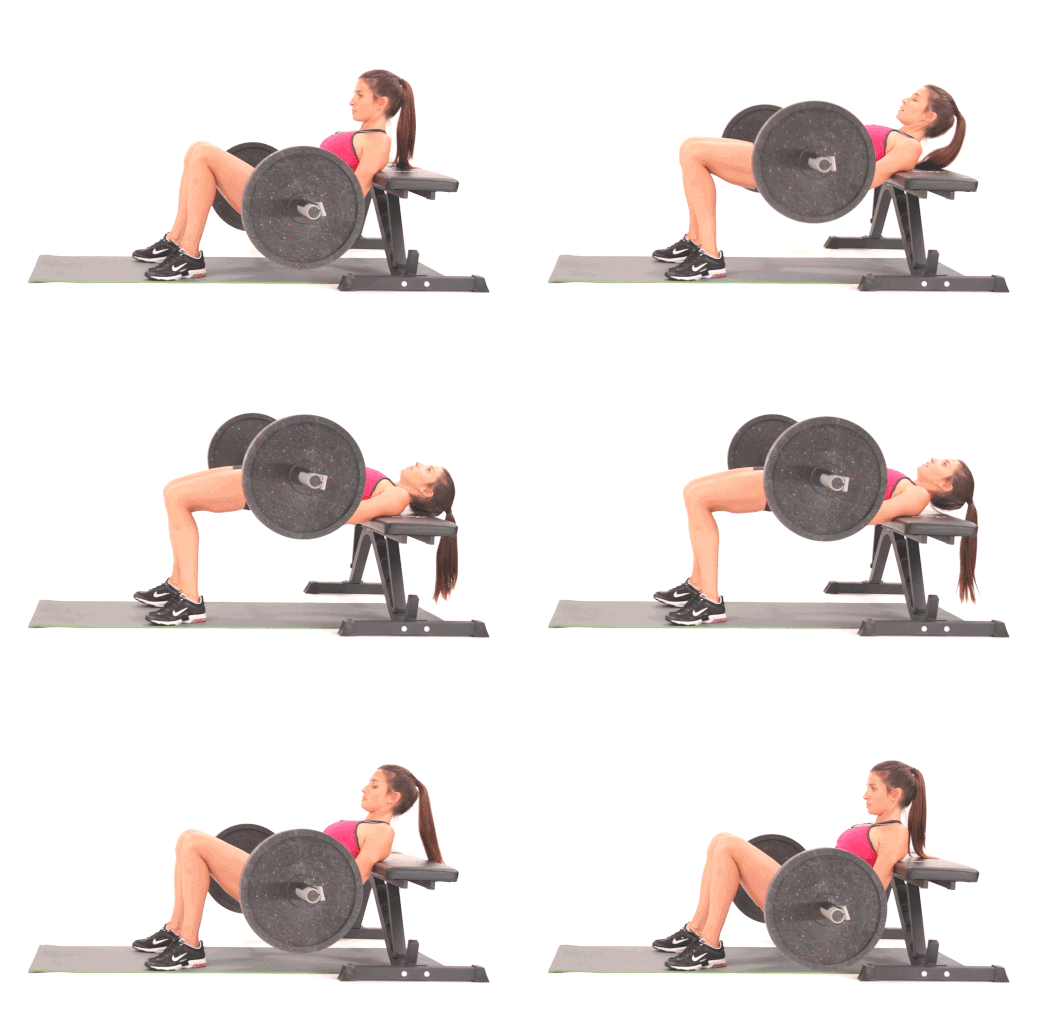
Also called “bridges,” this exercise is pretty self-explanatory.
If you’ve never done a hip thrust before, start by using only your bodyweight. Once you get the hang of it, you can add weight by carefully laying a medicine ball, kettlebell, or barbell across your pelvic area. The extra resistance will help your glutes get stronger.
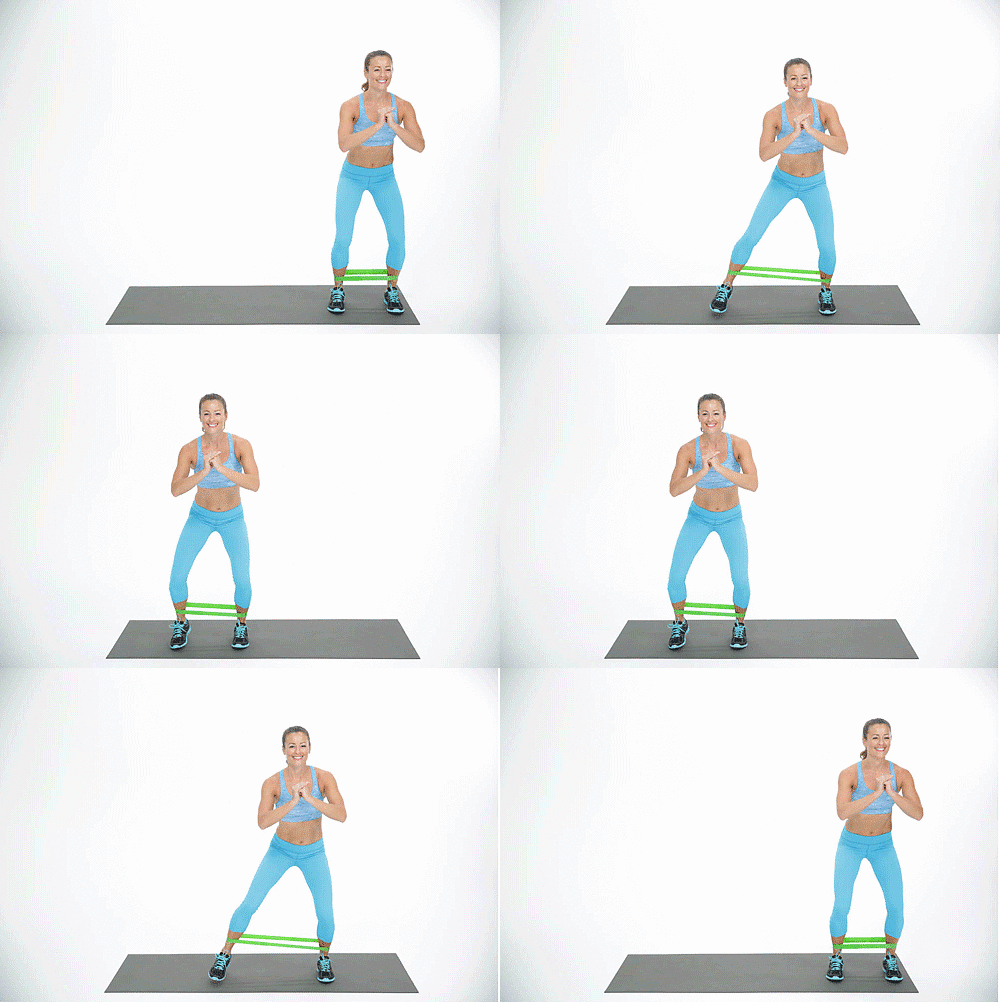
Begin by placing a resistance band around your legs, just above the knees. If you want to increase the difficulty, place the band below your knees, above your ankles.
The gluteus medius and minimus are most important in moves that require abduction, or movement away from the middle of the body. With lateral banded walks, you target the glutes as well as the hip muscles.As you get better, you can increase the difficulty by using a thicker band with more resistance, or moving the band farther down toward your ankles.
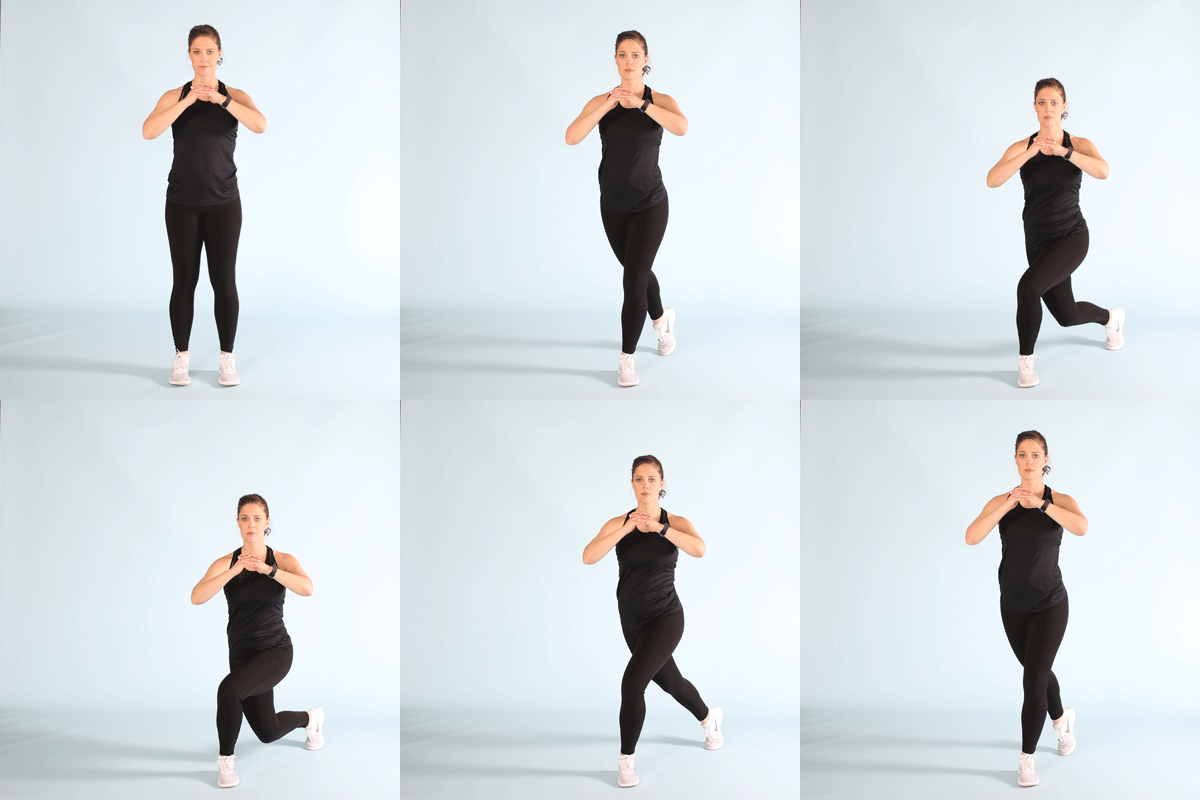
Not only will the curtsy lunge recruit the smaller gluteus medius and minimus muscles, it’s also highly customizable depending on your level.
In addition to your glutes, the curtsy lunge also recruits your quadriceps, calves, and hip adductors.
To make the movement more difficult, hold a kettlebell or dumbbell. You can also pause for a few seconds at the bottom of the motion to add some extra burn.
ADVANCED LEVEL PROGRAM ACCESS NOW
Nothing will work unless you do

 healthexercise.fitness.blog